Branding & Belonging
Color, Country and Confusion
First published on Medium, in SportTechie
This article was originally published July 4th, 2016 in the Makers of Sport Podcast newsletter which can be found here. It has been modified some for a public and broader audience’s comprehension.
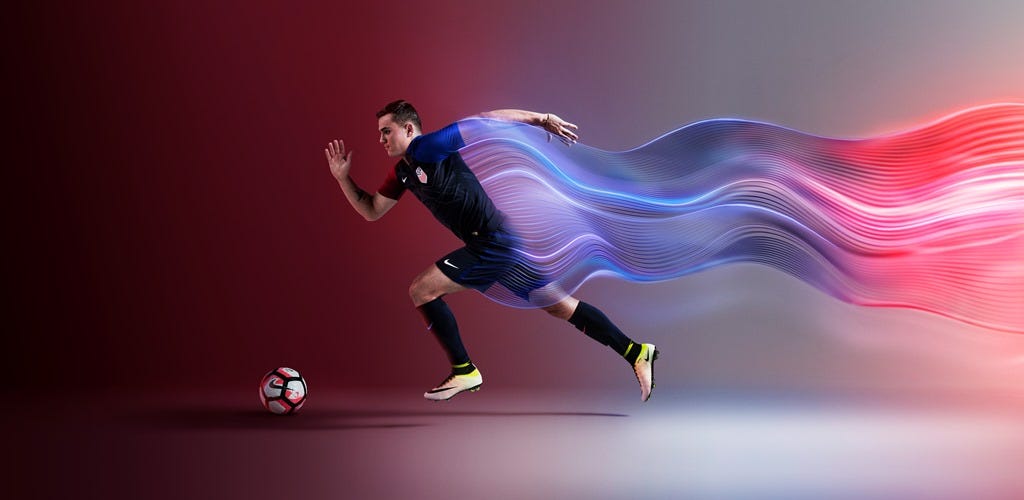
Recently in the U.S., we celebrated Independence Day (also known as the Fourth of July holiday). For non-stateside listeners, Independence Day is a federal holiday in the U.S. commemorating the adoption of the Declaration of Independence; in which 13 original American colonies regarded themselves as a new nation (i.e. the United States of America) and no longer a part of the British Empire.
I love the Fourth of July. It’s probably my favorite holiday. Not only do I not have the pressure of having to find gifts for everyone in my family (see Christmas) or my friends or colleagues, but I get to blow things up, roast marshmallows over an open fire, swim in the sizzling Southern heat and grill some of my favorite foods. Of course, I also get to see my favorite flag — the stars and stripes of the United States of America and those branded colors of red, white and blue everywhere.
Branding — and specifically color theory in branding — is such an interesting thing to me. I fall in love with it more and more as I continue to understand its psychology and how it affects the human experience. For example, each country most likely has their own affinity to their own flags and nation’s colors. Subconsciously when we see the colors used in our country’s flags, even out of context, we automatically associate them with our country.
With the 2016 Rio Olympics neigh, the 2016 UEFA Euro championship, and the recent wrap-up of the 2016 Copa América football championship; I’m reminded that sports are a great venue for countries to put their branded colors on display to the world and have large masses of people unify behind one brand. One team.
One way this is done is through national team uniforms, and there have been many iconic kits or unis throughout history.
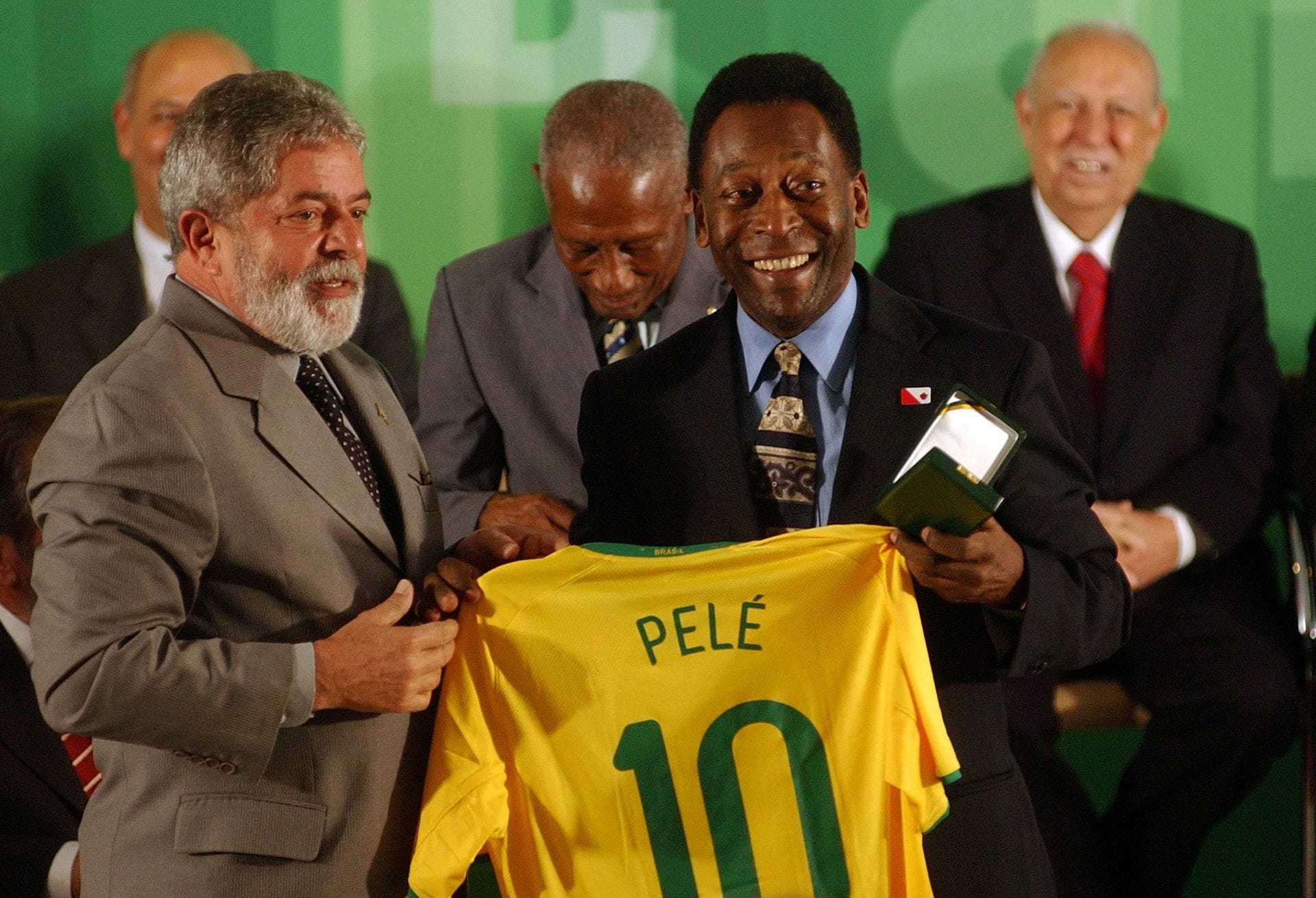
Even though I was much too young to watch him live, I can imagine Pelé in the iconic yellow jersey and blue shorts of Brazil, an image attributed to the many soccer books I would check out from my elementary school library as a child. I also vividly remember the iconic 3 stripes of a specific German football company going down the side of German football player Mario Götze as he scored his unbelievable goal to win the 2014 World Cup against Argentina (his boots may have been Nike, but his kit is what I remember most and how the adidas brand is so closely linked with German football).
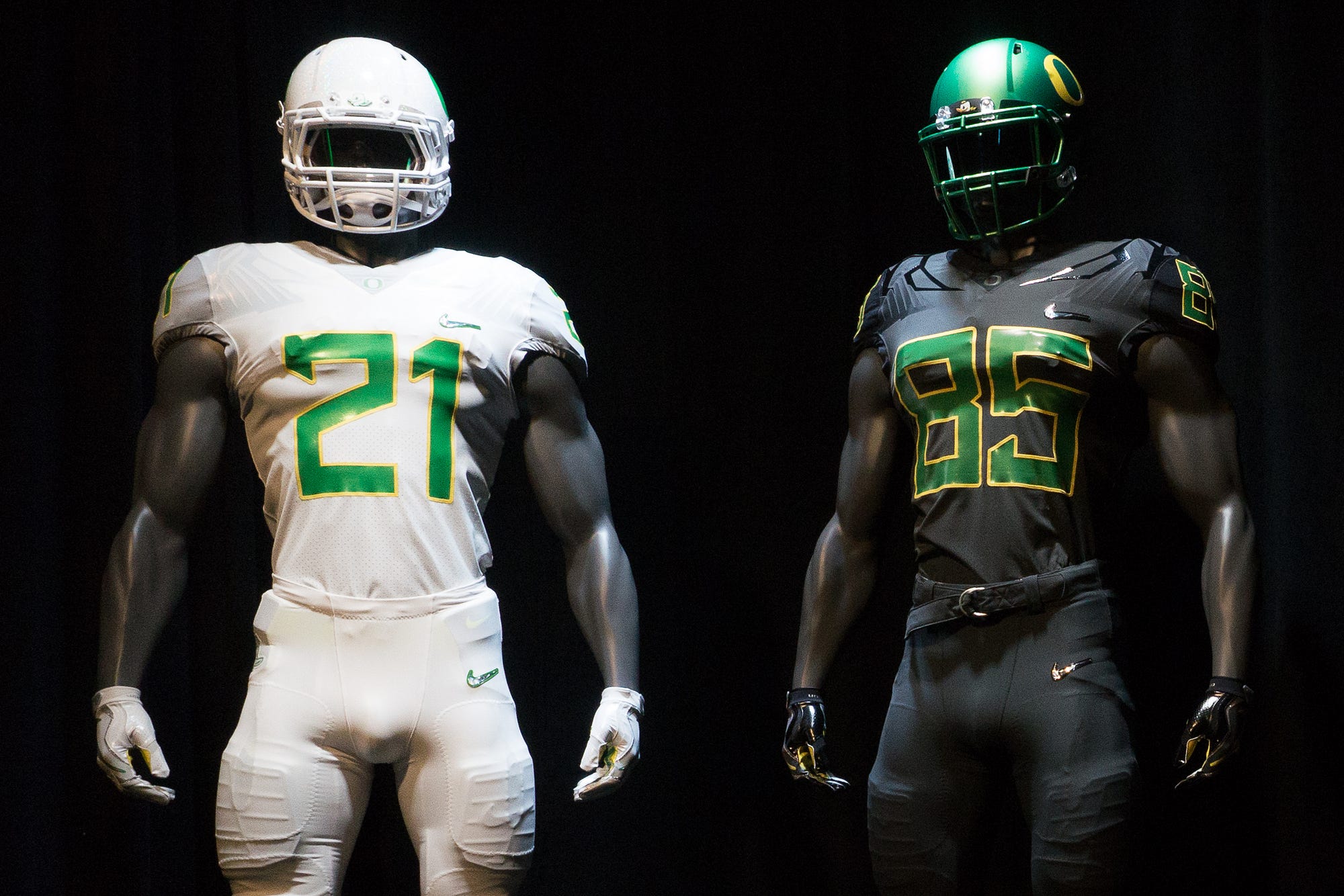
This year, Nike introduced predominately black kits for the U.S. Men’s & Women’s International Teams. I’m by no means a traditionalist when it comes to uniforms in sports — I love seeing what Oregon Football comes up with each season and I can’t wait to see what adidas cranks out for Texas A&M or what Under Armour creates for Maryland Football & Lacrosse — but there are just some things that should not be messed with in my opinion. And that is the color combination of a country, especially on an international stage where not everyone speaks the same language and rely heavily on visuals.
As I sat watching the USMNT take on Colombia with my sons a few weeks ago, they asked their usual “Daddy, who are we cheering for” (in games to a 6 and 4 year old where the Kentucky Wildcats aren’t playing, it isn’t always obvious to them who we are rooting for, and we must always have a rooting interest in sports, right? Even if it’s just for an hour or two) question. My answer of course was the U.S.A.; but the confused look on their faces when I told them the U.S. was the black team was something I’ll never forget as my oldest son stated that the United States’ colors aren’t black.
This is true, son. This is true.
“Branding is about belonging and displaying the symbols of belonging.” — Wally Olins, Co-Founder of Wolff Olins, Chairman of Saffron Brand Consultants
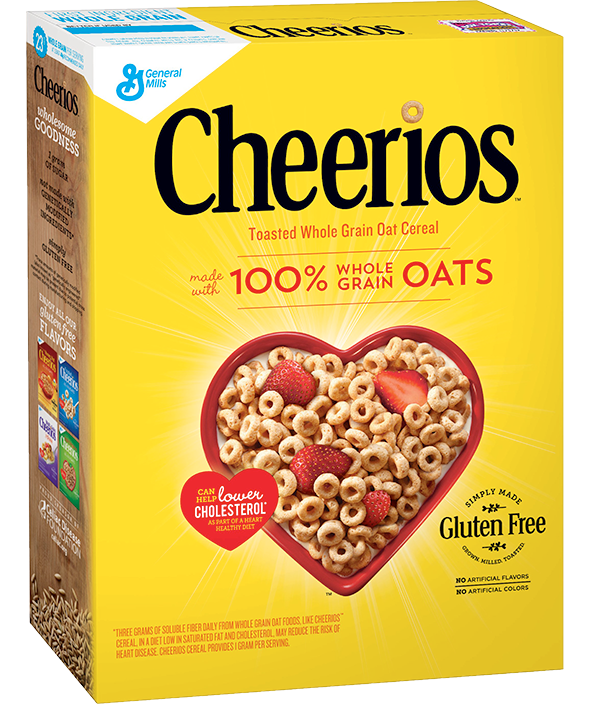
Many humans are visual beings and color has subconscious as well as deliberate meanings in the world of branding. I remember mentally documenting that this same son would often reach as a toddler for the yellow box of Cheerios (the real ones) rather than the cheap knockoff brand which had essentially the same photo on the box, but was a different color. Both boxes had a large bowl of circular shaped cereal in milk. In fact, the knockoff brand was sitting directly in front of the yellow box if I remember correctly. But to my son, although he couldn’t read and could clearly see the large picture of cereal on each box, Cheerios were associated with the color yellow. Period. It was at that moment, I began to understand branding on a deeper level — a more psychological level.
Psychologically, colors play a large role on the human brain and influence perception; even sometimes memories of a specific event. Perhaps in no other place is this true than in sports. Sights, sounds and smells all play an important role in the human experience.
If you are reading the Makers of Sport newsletter, you probably work in branding in some way or another. Branding is multiple things. It is telling the story of a company from the inside out as true as possible. It is influencing the opinion of fans, consumers and customers as they tell their own stories about your company/team/organization. Branding is about belonging, unifying and storytelling. It can at some times be hard to explain, but as with anything else, you know it when you see it. And when you begin to understand it on a visceral level, a whole new world is opened up before your eyes.
I’ll leave you with a fav quote of mine from one of the most famous branding minds in history, the late Wally Olins — co-founder of Wolff Olins and most recently chairman of Saffron Brand Consultants: “…this word branding, which sounds so superficial and seems so superficial to so many people is absolutely fundamental to the human condition; because what it is about is belonging. People want to belong — they want to belong to a school, they want to belong to a country, they want to belong to a city, they want to belong to a socioeconomic group — there are all kinds of things they want to belong to. They want to belong and they want to display the symbols of belonging. And branding is about belonging and displaying the symbols of belonging. It is a visceral part of the human condition and to think otherwise is to make a very big mistake.”
[This quote was from an interview prior to Olins’s death on an episode of Dorm Room Tycoon; a podcast about design, venture capital, startups and advertising by William Channer.]
For more from Wally Olins, I highly recommend his book: Brand New: The Shape of Brands to Come.
Makers of Sport is a podcast about the intersection of creativity and sports. The show includes interviews with designers, art directors, writers, animators, sneakerologists, marketers, technologists and entrepreneurs working in the sports vertical. To listen to the podcast, subscribe on iTunes or play on Soundcloud. Subsequently, the Makers of Sport Community is available to join for a small monthly fee and includes additional educational content, private Q&As, extra soundbites, private podcasts and more.
Branding & Belonging was originally published in Starters on Medium, where people are continuing the conversation by highlighting and responding to this story.